Vehicles for Change, a new SI member, provides cars to people in need. There may be no more powerful way to help people help themselves.
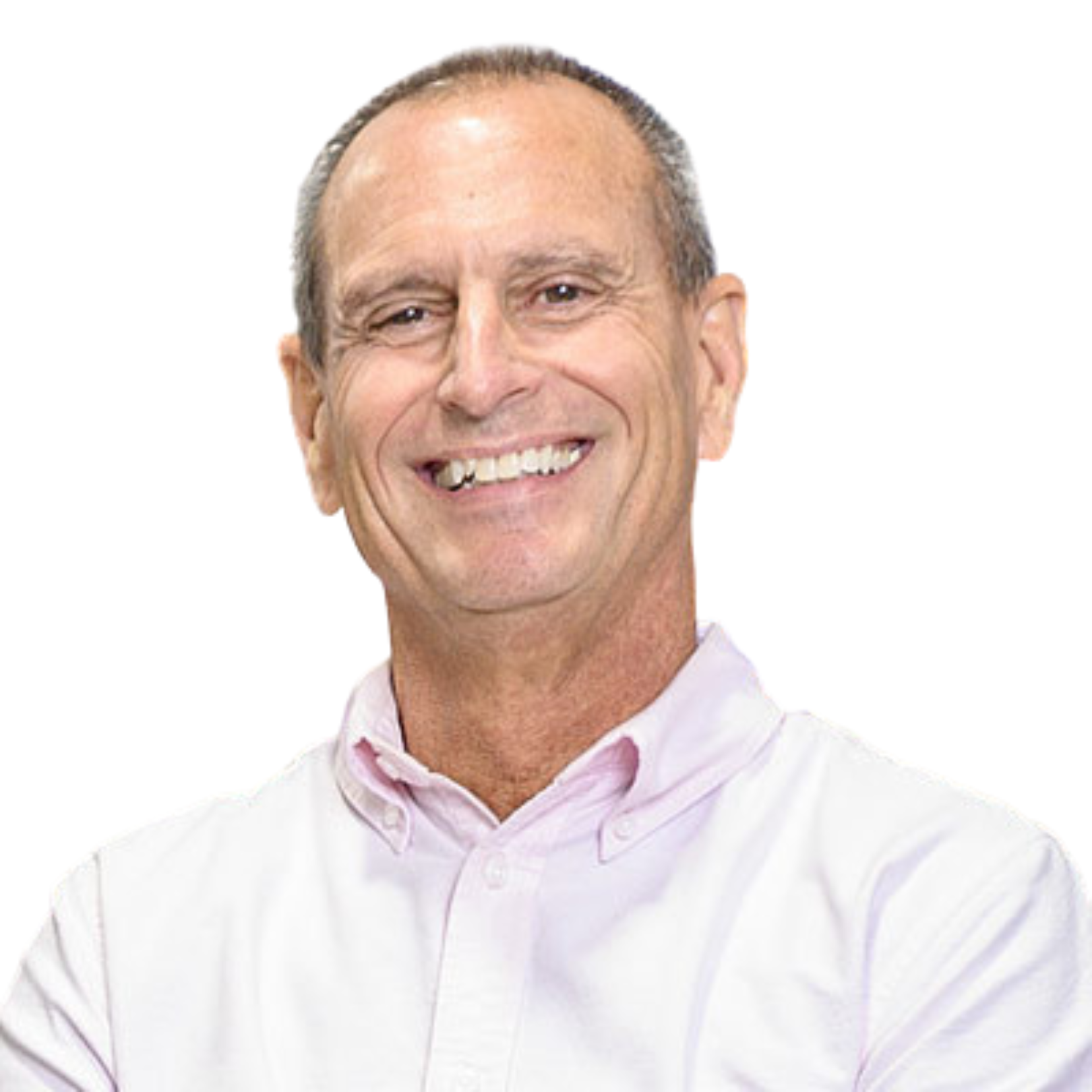
Marty Schwartz, president of Vehicles for Change:
“The number one barrier that families living in poverty have in gaining and maintaining employment and escaping generational poverty is transportation,” says Marty Schwartz.
If you think about it, it makes sense. If you can’t reliably get to a job, all the benefits that come from work — a paycheck, health insurance, a positive feeling about the future — are elusive.
That’s why Schwartz, president of Vehicles for Change, a new Satell Institute member, has spent more than a quarter century trying to make progress on the problem. And he’s succeeded. Since its founding in 1999, the Maryland-based organization has become the largest low-income car membership program in the country, awarding more than 8200 vehicles to families in need.
And its impact doesn’t stop there. Under Schwartz’s leadership, Vehicles for Change has also developed an automotive skills-training initiative that now operates in 13 states and Canada.
All of it is an example of how an entrepreneurial mindset, whether in a for-profit or nonprofit organization, can make a creative and meaningful impact. And it’s all in perfect alignment with the Satell Institute’s belief in free enterprise and giving back to the community.
A Life-Changing Chance
Schwartz spent years working in business, education, and coaching before launching Vehicles for Change in 1999. “Sometimes I look back and think, man, all that experience I got in coaching, business, marketing, and development — this was already planned out for me.”
A couple of things have been crucial in making Vehicles for Change succeed. One is a decision early on to work with partner agencies in order to identify families in need. “They’ve already vetted these families,” Schwartz explains. “They’re working with them, whether it’s in a domestic-violence program, a job-training program, a rehabilitation program. They know these individuals.”
Just as important: Vehicles for Change doesn’t give away its cars — which are donated to the organization by the public — for free. Instead, after tuning up the vehicles, it sells them to qualifying families at a discounted rate of $950, typically financed through a 12-month loan from a local bank.
“They establish credit while they’re getting back on their feet and paying for their car,” says Schwartz. “And as long as they own their car, they can bring it back to one of our facilities and get it repaired at a fleet rate. It’s a total program we provide.”
The results have been eye-opening. Families report increasing their annual income by more than $7000 on average after getting a car. What’s more, the cars allow families to take their kids to crucial things like doctor’s appointments and after-school activities.
“We say a car gives people access to life,” says Schwartz.
Social Enterprises
Vehicles for Change has also been creative about spotting opportunities.
For instance: some of the cars donated to the organization are high-end models whose maintenance might be too expensive for a qualifying family to afford. But instead of turning down such donations, Vehicles for Change opened its own used car lot as a social enterprise, using the proceeds to help fund the organization.
Equally inventive is its training program. More than a decade ago, garages that Vehicles for Change was using to repair donated cars said they didn’t have enough employees to keep up with all the work.
Solution: Vehicles for Change opened Full Circle Auto Training Center, which gives free skills training to justice-involved people or others with barriers to employment. About 80 percent of graduates obtain a full-time position in the automotive industry.
And the program continues to grow. In the wake of COVID, Vehicles for Change created a virtual-reality training program that uses immersive technology to provide comprehensive auto training. It now operates in 13 states and Canada, and Schwartz says the organization is making the program available to prisons, high schools, and workforce development programs.
“The demand for auto technicians is through the roof,” he notes. “There could be as many as 400,000 openings in the next three years, and there just aren’t enough training programs to fill those openings.”
Joining the Satell Institute
Schwartz hopes to continue growing Vehicles for Change into even more of a national organization. Given the demand for mechanics, he believes its training program could become one of the largest in the country. Meanwhile, it’s expanding its car award program in a partnership with the National Automobile Dealers Association (NADA).
Schwartz credits Vehicles for Change's board — which includes executives from General Motors, T. Rowe Price, and NADA — for helping shape that vision.
Schwartz’s introduction to the Satell Institute came through SI’s regional leader, Jake Dawson. The more Schwartz learned, the more he saw how well Vehicles for Change fit in with SI.
“The nonprofits that are involved are really, really strong organizations, and the collaboration with for-profit corporations is great,” he says. Schwartz has attended several powerful SI events in Baltimore and plans to be at the national conference in May.
Looking back, Schwartz says what he’s accomplished in many ways feels predestined. “I tell people all the time, whatever power you believe in, whether it’s God or Allah or fate, this is kind of what I was supposed to be doing. I really didn’t have a choice.”